


Flexcar
3.6121.00 Reviews
App Specs
- Version
- 4.0.108
- Updated On
- License
- Free
- Downloads
- 50,000+
- Developer
- Flexcar, LLC
- Categories
- Auto & Vehicles
- Platform
- Android
Screenshots
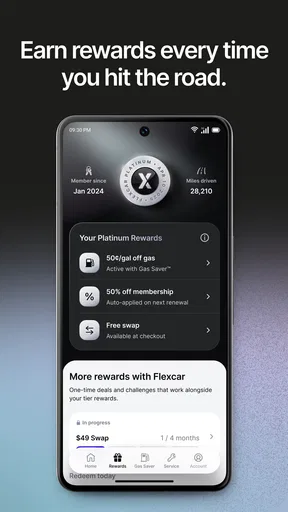
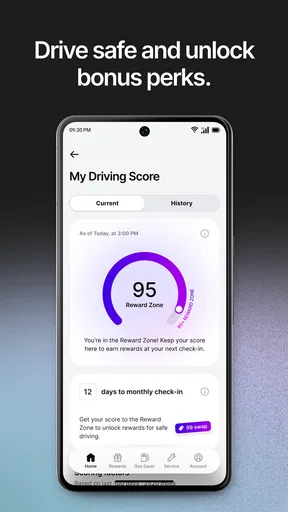
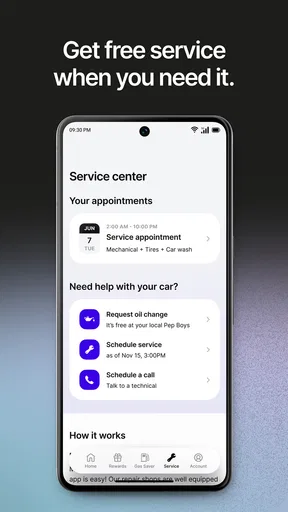
 Analysis by AppCompare
Before I would trust any car subscription, I’d want to know what the app actually lets me choose and where its convenience ends. Flexcar is built around a month-to-month approach to getting a car, rather than the familiar path of buying one or committing to a conventional lease. That flexibility is appealing, but it doesn’t make the decision automatic: the right fit depends on where you live, how often you drive, and whether the overall monthly cost makes sense for your routine.
What trust looks like in a car subscription
A car is a bigger commitment than an ordinary app download. You are choosing a way to handle transport, payments, and day-to-day errands, so I’d judge Flexcar less by a polished screen and more by whether the terms and choices are clear before I commit. Flexcar, LLC develops the app, which sits in the Auto & Vehicles category. It is free to download, but that is not the same as the car subscription being free; I’d treat the app and the cost of using a vehicle as separate decisions.
The service is aimed at people who want access to a car without making a traditional long-term lease their default. The important practical question is not simply whether month-to-month sounds flexible, but whether the available choices and terms match your actual plans. Before signing up, I would check the offer shown for my location and read the subscription conditions carefully, especially anything that affects ending or changing the arrangement. That small bit of homework matters more than browsing appealing vehicle photos.
What I would check before sharing details
Signing up for a vehicle service naturally involves moments when you may need to provide personal or driving-related information. I wouldn’t assume what the app collects, what permissions it requests, or how account controls work without checking the current in-app prompts and privacy information. My practical rule is simple: pause at each permission request, ask whether it makes sense for the task in front of you, and avoid granting optional access just because a screen makes it feel routine.
That is especially useful when setting up an account away from home or on a shared device. I’d use a device I control, keep sign-in details private, and review any visible account and notification settings before relying on the app. Those steps are ordinary precautions, not evidence of a problem with Flexcar. They help me keep control of a decision that involves both an app account and a substantial real-world expense.
Making the monthly model work for you
The strongest use case is a temporary need that is too long for occasional rentals but too uncertain for a conventional lease. For example, someone starting a job in a new area might need a car while learning the commute and deciding whether to stay. A month-to-month arrangement can make that period easier to manage than buying a vehicle immediately, provided the available plan and its terms suit the person’s budget.
It can also appeal to a household whose transport needs change during the year. The possibility of swapping vehicles is attractive in principle, but I would treat it as an option to investigate, not as a guaranteed instant change whenever plans shift. Before counting on a swap, check how the process works, whether a suitable vehicle is available, and what conditions apply. Flexibility is most valuable when the practical steps are clear before you need them.
Worth Reading Before You Choose

EA SPORTS FC Mobile 26 Is a Bigger Football Game, but It Takes Time

Flipboard Shows What News Apps Must Do Beyond the Feed

Switching to Android Auto Means Rethinking Your Driving Routine

Google Calendar Makes a Crowded Week Easier to Manage

Ludo King Makes the Most of the Minutes Between Plans

Baby Panda World Brings Quick Play to Modern Phones, but Its Game Library Feels Busy
For an everyday scenario, picture a person who usually takes public transport but has a new project that requires several weeks of trips to places that are hard to reach without a car. With a subscription, they could consider a car for that stretch without immediately taking on a standard lease. They should still compare the full monthly commitment with the cost of rentals, rides, and transit for those particular weeks. The best choice depends on frequency and distance, not on the convenience of having a car parked nearby.
Using Flexcar with clear expectations
I find it helpful to approach Flexcar as a way to explore a car subscription, not as a decision made simply by installing an app. In this section, I’d focus on matching the month-to-month idea to the length and predictability of your need, then weighing it against renting, leasing, or owning. That comparison makes the next practical checks easier to judge.
Where it differs from renting, leasing, and owning
Compared with a traditional rental, a subscription may better suit someone who needs a vehicle as part of everyday life for longer than a short trip. Compared with leasing, its month-to-month framing may feel less restrictive, although the actual terms matter more than the label. Buying can make more sense for a driver who expects to keep the same car for years and is comfortable taking responsibility for ownership costs. Flexcar is not automatically cheaper than any of these options; its value is the combination of access and flexibility, weighed against the total price and conditions offered to you.
That comparison gives me a useful way to decide: estimate how long you need a car, how predictable that need is, and how much you value being able to change course. If you only need a vehicle for a weekend, a rental may be simpler. If you drive daily and expect to keep the same car long term, buying or a conventional lease may be a better fit. If your plans could change within months, the subscription model deserves a closer look.
Small checks that prevent big surprises
Before choosing a car, I’d write down the jobs it must do: commute, child seats, carrying equipment, or regular highway driving. That keeps a tempting model from distracting me from practical needs. I’d also check the details that shape real use, such as what the displayed offer includes, the applicable driving conditions, and the steps for changing or ending a subscription. Those are not minor administrative details; they determine whether the flexibility will be useful in everyday life.
I would also avoid building a plan around an assumed future vehicle swap. If a different car becomes important later, first confirm how availability and timing work for your situation. Likewise, don’t compare only a headline monthly figure with a car payment: set the costs side by side and account for the services and responsibilities each option actually includes. A little careful comparison is more reliable than assuming one bundled arrangement must be the bargain.
Who should take a closer look
Flexcar may be worth exploring if you live in an area it serves, need a car for an uncertain period, and prefer not to make a long-term ownership decision right away. It is less suitable if the service is not available where you live, if you need a specific vehicle on a fixed schedule, or if your budget depends on knowing every applicable cost before you start. Drivers who are happy with public transport or occasional rides may also find that a car subscription adds more commitment than convenience.
The app has an average rating of 3.7 from around 488 ratings, with roughly 112 written reviews and over 50,000 installs. I see that as a reason to read current user feedback with care, not as a verdict on whether the service will fit you. Look for comments that match your own priorities—such as the sign-up experience or the usefulness of the service in your area—rather than expecting someone else’s situation to predict yours.
What to expect from the app itself
The app is free and rated for Everyone. Its current version is 4.0.102, and it supports Android 7.0 and later. Those details help answer basic compatibility questions, but they do not tell you whether a particular vehicle or subscription is right for you. I’d install it to examine the options and account flow, then make the financial decision only after reviewing the terms presented for my needs.
In my experience, the most useful question to settle before starting is: “What happens if my plans change?” Ask that while you are reviewing the subscription, not after you have built your routine around the car. I’d also make sure I understand how to manage the account and where to find help if a question comes up. That approach gives you a fair chance to judge the service on its actual choices rather than on a general promise of convenience.
A cautious verdict
As an Auto & Vehicles app, Flexcar offers a distinct alternative for people who want a car without beginning with a purchase or a conventional long lease. The month-to-month idea is most compelling when your need is real but temporary or uncertain. It is less persuasive when your priority is the lowest possible cost over many years, or when local availability and vehicle choice do not line up with your plans.
I’d recommend exploring Flexcar if the subscription structure matches your circumstances, while taking time to confirm the costs, terms, and account choices before committing. The app’s core appeal is flexibility, but flexibility only helps when the details work for you. Treat the download as a way to investigate an option, not as a reason to skip the comparison with renting, leasing, owning, or simply getting around without a car.
Have you ever wished that owning a car could be as flexible as streaming your favorite TV shows? Well, that's where Flexcar comes in, revolutionizing how we think about car ownership. I recently took this app for a spin, and let me tell you, it’s like having a car genie in your pocket.
What is Flexcar?
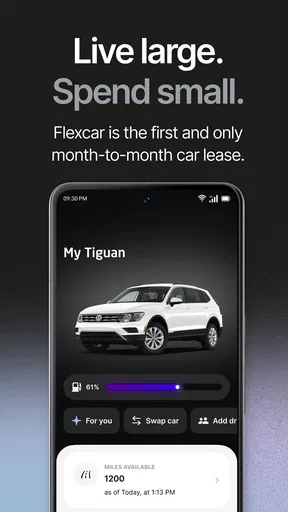
In a nutshell, Flexcar is an app that lets you subscribe to a car instead of buying or leasing one. Think of it like renting, but with way more perks and fewer headaches. You choose a car from a variety of models, pay a monthly fee, and voila, the car is yours to drive without the long-term commitment.
Getting Started with Flexcar
Downloading and setting up Flexcar was a breeze. After signing up, I was greeted with a user-friendly interface that made navigation a piece of cake. The app walks you through the entire process, from selecting your ideal car to setting up your subscription plan.
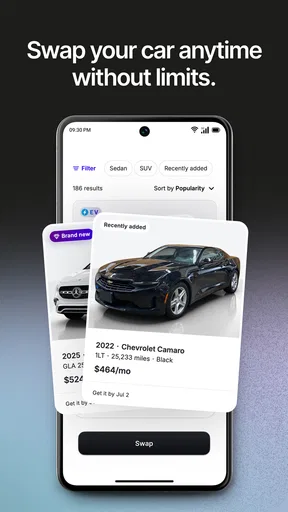
One thing I found particularly impressive was the range of vehicles available. Whether you're into sleek sedans, robust SUVs, or eco-friendly hybrids, Flexcar has you covered. And the best part? You can swap cars if your needs change. It’s like having a personal car showroom at your fingertips.
The Flexibility Factor
What sets Flexcar apart from traditional car ownership is, well, the flexibility. You're not tied down to any long-term contracts, which is perfect if you’re someone who doesn’t like to be boxed in. Imagine driving a sporty convertible in the summer and switching to a family-friendly SUV come winter. It’s all possible with just a few taps.
Plus, the app handles all the nitty-gritty details like maintenance and insurance. So if you’re someone who hates dealing with paperwork and endless phone calls, Flexcar is a dream come true. Just drive and enjoy the ride without the usual ownership hassles.
Cost Considerations
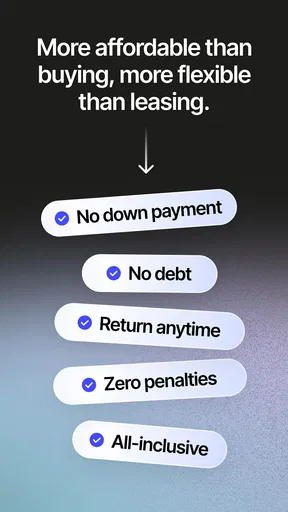
Okay, let's talk money. The monthly fee might seem higher than traditional car payments at first glance, but when you factor in the included insurance, maintenance, and freedom to swap cars, it starts to look like a pretty sweet deal. No down payments, no unexpected repair bills, just one predictable monthly fee.
For budget-conscious folks, the app offers various plans to suit different financial needs. Whether you’re a student, a young professional, or a family person, there’s likely a plan that fits your wallet.
Room for Improvement
While Flexcar is a fantastic alternative to owning or leasing a car, it’s not without its quirks. Currently, its availability is limited to certain areas, so not everyone can jump on this car subscription bandwagon just yet. Expanding to more locations would definitely make it accessible to a broader audience.
Also, the app could benefit from more detailed FAQs or a 24/7 customer support feature. While the interface is intuitive, having real-time assistance would be a great addition, especially for first-time users who might have questions.
Final Thoughts
In this fast-paced world, who wouldn't love the convenience and flexibility that Flexcar offers? It’s like the Netflix of cars, giving you the freedom to drive what you want, when you want, without the usual strings attached. If you're in an area where it's available, I’d highly recommend giving it a try. It might just change the way you think about car ownership forever.
So, if you’re tired of the traditional car ownership grind, download Flexcar and experience driving freedom like never before. You might just find it’s the perfect fit for your on-the-go lifestyle.
Pros
- Easy subscription process.
- Flexible rental terms.
- Wide variety of vehicles.
- No long-term commitment.
- Maintenance included.
Cons
- Limited availability in some areas.
- Higher cost than traditional leasing.
- Mileage restrictions apply.
- Insurance not always included.
- App interface can be confusing.
FAQs for Flexcar
What is Flexcar and how does it work?
Flexcar is a car subscription service that allows users to drive a variety of vehicles without the long-term commitment of ownership. Subscribers can choose from different plans, pick a car, and swap it as needed. The service covers insurance, maintenance, and roadside assistance, offering flexibility for urban commuters or those who need a temporary vehicle solution.
What are the costs associated with using Flexcar?
Flexcar offers several subscription plans, each with varying costs based on the type of vehicle and the duration of use. These plans typically include insurance, maintenance, and mileage. It's important to review the specific pricing details on their app or website to understand any additional fees, such as for extra mileage or specific vehicle upgrades.
Are there any restrictions on vehicle usage with Flexcar?
Yes, Flexcar may have restrictions such as mileage limits, geographical boundaries, and specific terms of use for each vehicle. Subscribers should thoroughly review the terms and conditions before signing up to ensure they understand any limitations on where and how they can use the vehicles, as well as the policies regarding fuel and maintenance.
How does Flexcar handle insurance and liability?
Flexcar provides insurance coverage as part of its subscription service, including liability and physical damage protection. However, users should be aware of the coverage limits and any deductibles that may apply in the event of an accident or damage. It's advisable to read the insurance policy details provided by Flexcar to understand the scope of coverage and any potential out-of-pocket expenses.
What is the process for swapping or returning a car with Flexcar?
Swapping or returning a car with Flexcar is designed to be straightforward. Users can schedule a swap or return through the app, choosing a convenient time and location. The service provides flexibility for changing vehicles based on the user's evolving needs. It's important to follow the guidelines provided by Flexcar to ensure a smooth transition and avoid any additional charges.


